


How to Start Using AI Safely in a Small or Mid-Sized Business
A practical step-by-step guide to introducing AI safely, selecting first use cases, setting data boundaries, assigning ownership and measuring results.
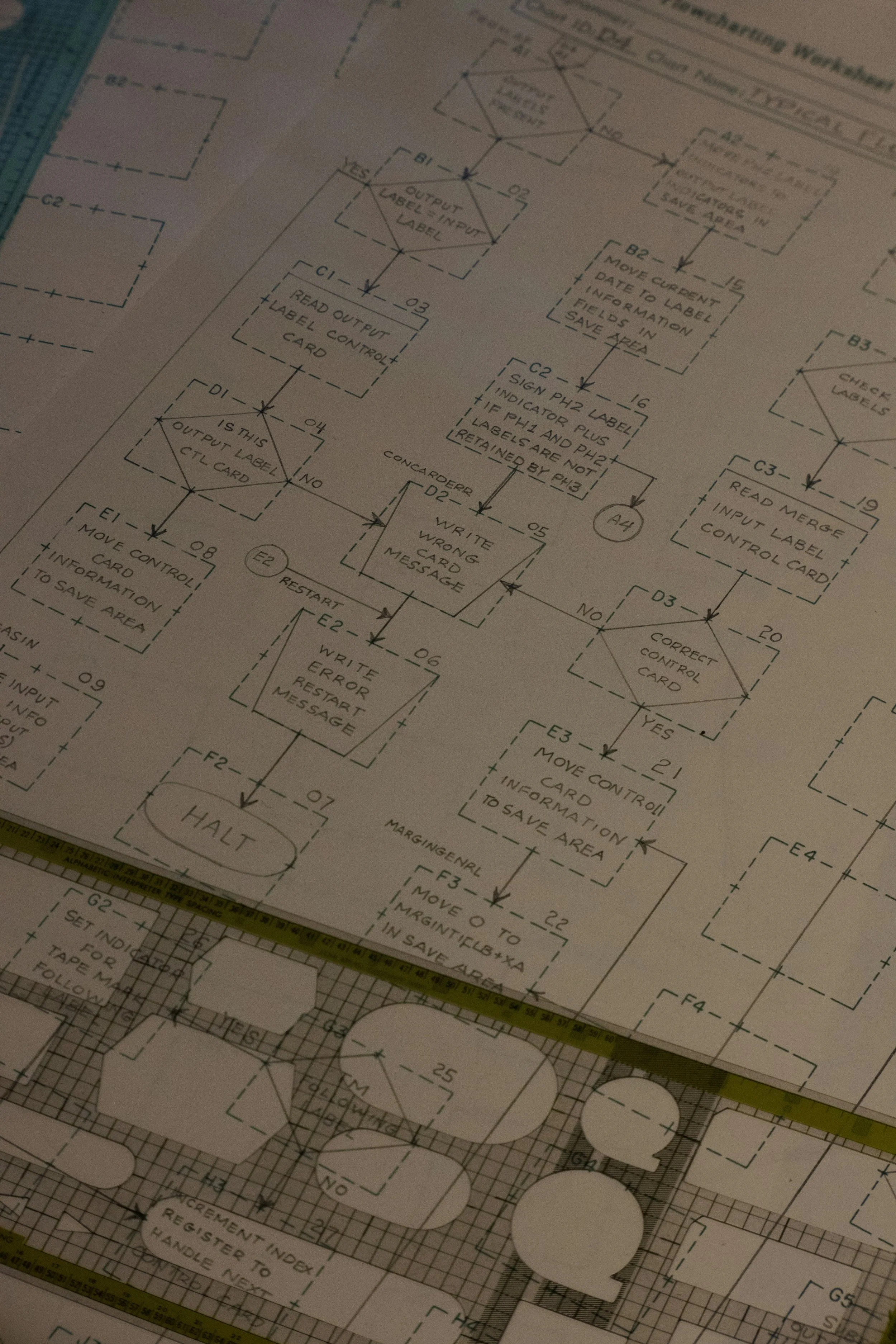
How to Create an AI Tool Approval Workflow
A practical guide for small and medium businesses
AI tool approval should not depend on informal judgement, scattered emails, or one-off conversations.
A business needs a repeatable workflow.
An AI tool approval workflow is the process used to review proposed AI use, assess the data and risk involved, set conditions, record the decision, and review the use over time.
The workflow should not approve AI tools in isolation. It should approve specific AI use cases.

What Should an AI Usage Register Include?
An AI usage register is a central record of where, why, and how artificial intelligence is being used across an organisation.
It should record the AI tool, use case, business owner, data involved, risk level, approval status, review date, and business justification.
But for AI governance, the most important point is this:
An AI usage register should not be just a list of AI tools. It should be a register of AI use cases.
That distinction matters.

What Is AI Governance?
AI governance is the system by which an organisation decides how artificial intelligence may be used, who is accountable for that use, what evidence supports those decisions, how risks are monitored, and how learning is captured as AI use evolves.
It is not simply an AI policy. It is not only compliance. It is not a committee, register, checklist, or one-off approval process.
Those things may all be part of AI governance, but they are not the whole system.
At its core, governance helps organisations make good, accountable, and improvable decisions under uncertainty. It helps them decide who has authority, what evidence matters, what risks are acceptable, how decisions are recorded, and how outcomes are monitored.